

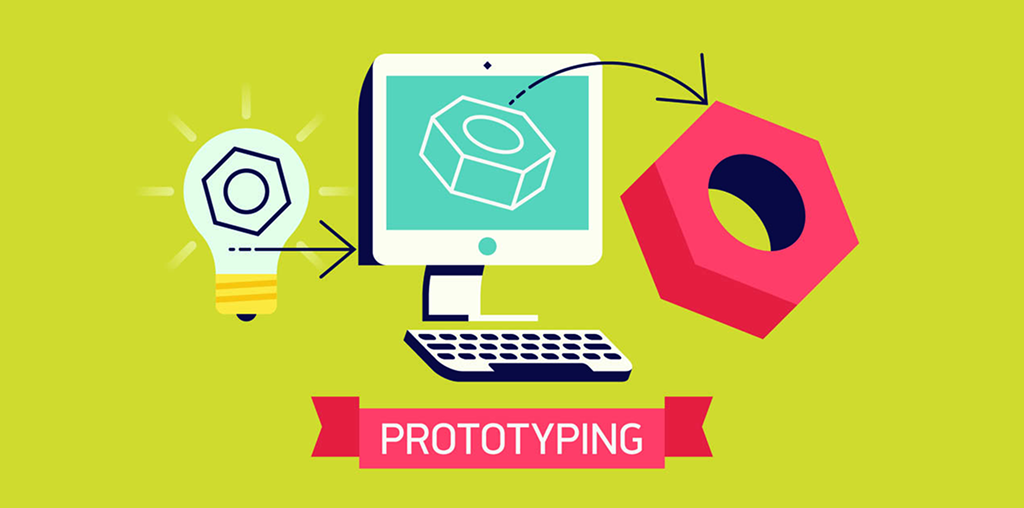
Quick Answer: Prototyping is the process of creating an interactive or visual model of a website, mobile app, or digital product before development begins. It helps businesses test ideas, understand user journeys, identify design problems early, reduce development costs, and create a clearer plan for developers. A well-designed prototype acts as a bridge between a business idea and the final digital product. Instead of immediately writing code, teams can visualize how the product will work, gather feedback, and make important decisions before development starts.
What Is Prototyping?
Prototyping is a design process used to create an early representation of a digital product. A prototype can demonstrate the layout, navigation, interactions, features, and overall user experience without requiring the complete product to be developed.
Prototypes can range from simple wireframes to highly interactive designs that closely resemble the final website or application.
- Low-fidelity prototypes: Simple layouts used to understand structure, content placement, and user flow.
- Mid-fidelity prototypes: More detailed designs that demonstrate layout, navigation, and important interactions.
- High-fidelity prototypes: Detailed and interactive designs that closely represent the appearance and behavior of the final product.
Why Is Prototyping Important Before Development?
Starting development without validating the design can create unnecessary revisions and expenses. Prototyping allows businesses and development teams to identify problems before significant development resources are invested.
Here are the key reasons prototyping is valuable.
1. It Turns Ideas Into Something Visual
Business requirements can sometimes be difficult to understand through written descriptions alone.
A prototype gives stakeholders something concrete to review. They can see how pages, screens, menus, forms, and interactions could work before development begins.
2. It Improves User Experience
One of the main purposes of prototyping is to test the user journey.
Fixing these issues during the design stage is usually easier than changing them after development.
- Can users find important information quickly?
- Is the navigation understandable?
- Is the checkout process simple?
- Are calls to action easy to find?
- Are forms unnecessarily complicated?
- Does the product flow feel natural?
3. It Identifies Problems Early
A prototype can expose missing features, confusing navigation, inconsistent layouts, or unrealistic requirements before development starts.
Early discovery allows teams to make changes while the cost of change is relatively low.
Without prototyping, a problem may only become obvious after developers have already built several connected components.
4. It Reduces Development Rework
Development time can increase when requirements continually change.
A validated prototype provides developers with a clearer understanding of the expected product behavior, reducing unnecessary back-and-forth.
- Page structure
- User flows
- Interactions
- Content requirements
- Functional expectations
- Design direction
5. It Creates Better Communication
Different stakeholders may interpret the same requirement differently.
A prototype creates a shared visual reference for business owners, designers, developers, marketers, and other project stakeholders.
Instead of discussing an abstract idea, everyone can review the same proposed experience.
6. It Helps Validate Business Ideas
Prototyping is not only about design. It can also help validate whether a product concept makes sense from a business perspective.
- Product positioning
- Feature priorities
- Customer journeys
- Conversion paths
- Service presentation
- Pricing-page structure
- Lead-generation flows
7. It Helps Prioritize Features
Businesses often have many ideas but limited development budgets.
A prototype can help separate essential features from optional improvements. Start with the features required to solve the customer’s primary problem.
8. It Makes Client Feedback More Effective
Collecting feedback from a live website after development can be expensive and time-consuming.
With a prototype, stakeholders can provide feedback while changes are still relatively easy to make.
Instead of saying “something feels wrong,” reviewers can identify specific problems with a screen, interaction, navigation element, or user journey.
9. It Gives Developers Clearer Direction
Developers need more than attractive screens. They need to understand how the product is expected to behave.
A good prototype can clarify the intended user experience and help developers understand the relationship between different screens and interactions.
10. It Can Save Time and Money
One of the biggest benefits of prototyping is reducing expensive changes later.
Changing a prototype is generally simpler than redesigning developed interfaces, rewriting functionality, modifying database-related workflows, or restructuring a product after launch.
Prototyping Do and Don’t
When Should You Use Prototyping?
Prototyping is especially useful for complex digital products where early validation is key.
- New websites
- Mobile applications
- SaaS products
- E-commerce platforms
- Customer portals
- Booking systems
- Dashboard interfaces
- Startup MVPs
- Complex web applications
- Major website redesigns
Frequently Asked Questions
1. What is prototyping in web development?
The process of creating a visual or interactive model of a website before coding the final product.
2. Why is prototyping important before development?
It helps identify usability problems early, improve communication, validate requirements, and reduce rework.
3. Does prototyping save development costs?
Yes. It reduces costs by identifying problems and unnecessary features before significant development begins.
4. What is the difference between a wireframe and a prototype?
A wireframe mainly shows layout structure, while a prototype demonstrates navigation and interactions.
5. What is a high-fidelity prototype?
A detailed, interactive representation closely resembling the final product.
Final Takeaway
Prototyping is an important step between an idea and a working digital product. The goal is to learn, validate, improve, and then build.
When prototyping is combined with user research, thoughtful UX design, clear requirements, and strong development practices, businesses can approach digital product development with greater clarity and confidence.